


Japan has announced a major shift in its defence policy by easing long-standing restrictions on arms exports, allowing the country to sell weapons to more than a dozen nations.
The move, unveiled on Tuesday, signals a significant step away from the pacifist stance that has defined Japan’s post-war identity. It comes at a time of heightened geopolitical tensions in East Asia.
Under the revised framework, Tokyo will lift restrictions that previously limited arms exports to non-lethal categories such as rescue, transport, surveillance, warning and minesweeping. Japan can now export lethal weapons to 17 countries with which it holds defence agreements, including the United States and the United Kingdom.
However, a ban on arms sales to countries actively involved in conflicts will remain in place, though exceptions may be granted under “special circumstances,” particularly for nations with defence ties to Japan.
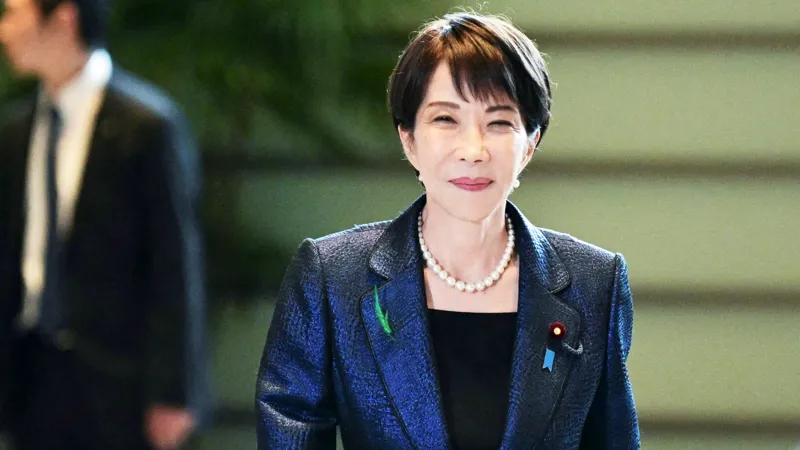
Prime Minister Sanae Takaichi defended the policy shift, citing growing security challenges.
“In an increasingly severe security environment, no single country can now protect its own peace and security alone,” she said in a post on X.
Takaichi emphasized that Japan remains committed to its long-standing pacifist principles. “There is absolutely no change in our commitment to upholding the path and fundamental principles we have followed as a peace-loving nation for over 80 years,” she added, noting that arms transfers would be subject to strict and cautious review.
Chief Cabinet Secretary Minoru Kihara said the decision aims to strengthen Japan’s national security while contributing to regional stability.
The announcement has drawn criticism from China, which expressed “serious concern” over what it described as Japan’s “reckless militarisation.” Beijing said it would remain vigilant and firmly opposed to the move.
The policy change coincides with Japan’s participation in joint military exercises with the United States and the Philippines, where the Japan Self-Defense Forces are taking part as combatants for the first time rather than observers.
China has also objected to these drills, which are being held near disputed waters and territories, including areas around Taiwan. Beijing considers Taiwan a breakaway province and has not ruled out the use of force to bring it under its control.
Tensions have been further heightened by previous remarks from Takaichi suggesting Japan could deploy its Self-Defence Forces in response to a Chinese attack on Taiwan.
Meanwhile, South Korea urged caution, saying Japan’s defence policy should align with the spirit of its pacifist constitution while contributing to regional peace and stability.
Japan’s pacifist doctrine is rooted in its 1947 constitution, particularly Article 9, which renounces war and prohibits the maintenance of military forces for combat purposes. Despite this, Japan has gradually expanded its defence posture in recent years.
In 2014, former Prime Minister Shinzo Abe eased a blanket ban on military exports, allowing joint development of defence equipment with allies. His successor, Fumio Kishida, went further in 2023 by permitting the export of finished lethal weapons.
Takaichi has voiced support for revising the constitution, a move widely expected to involve changes to Article 9. Supporters argue that Japan must adapt to a shifting security landscape shaped by the presence of regional powers such as China, Russia and North Korea.
Critics, however, warn that such changes could mark a departure from Japan’s long-held pacifism and potentially draw the country into future military conflicts.