

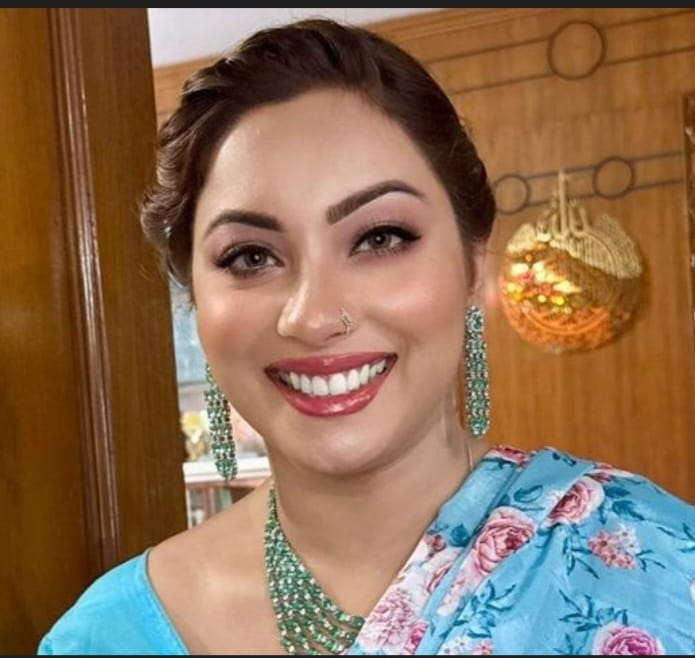

By Kamal Uddin
Bangladesh’s political landscape has long been shaped by established political dynasties, veteran leadership, and traditional power structures. Yet, in recent years, a new generation of public personalities has begun to emerge individuals whose influence is shaped not only by political affiliation, but also by communication, media presence, international exposure, and public engagement. Among these emerging figures, Meghna Alam has become one of the most discussed names in contemporary Bangladesh. Initially recognized through the world of beauty pageants, Meghna Alam gradually transformed herself into a public figure whose activities now extend beyond glamour and entertainment. Her journey from winning the title of Miss Earth Bangladesh 2020 to becoming part of national political conversations reflects a changing social and political culture within Bangladesh. Unlike many beauty pageant winners who remain within the entertainment industry, Meghna Alam expanded her focus toward social representation, international advocacy, and public affairs. As Chairperson of the Miss Bangladesh Organization, she played a significant role in promoting Bangladesh internationally by helping send representatives to competitions across six continents. Through this work, she gained experience in diplomacy, branding, communication strategy, and international networking — skills increasingly valuable in modern political leadership. Political observers believe one of Meghna Alam’s strongest qualities is her communication ability. In today’s world, politics is no longer defined solely by speeches, rallies, or traditional party structures. Public engagement, digital influence, and the ability to shape narratives have become equally important. Meghna Alam appears to understand this transformation well, particularly in her interaction with younger generations who are increasingly influenced by media and digital platforms. Her political visibility became even more prominent when she contested the national election from Dhaka-8 constituency. Despite conducting a campaign for only three days and reportedly without financial expenditure, she secured 608 votes. While the number itself may not appear politically significant in conventional terms, many viewed it symbolically. It demonstrated her ability to attract public attention and mobilize interest outside the traditional political machinery. Another important aspect of Meghna Alam’s profile is her international exposure. She received fully funded scholarships for political leadership and advocacy training programs in Brazil and Philippines. These experiences introduced her to global discussions on governance, diplomacy, women’s empowerment, and public policy. In a country like Bangladesh, where international image and soft power are becoming increasingly important, such exposure may hold significant political value. However, her journey has also been marked by controversy and personal struggle. In 2025, Meghna Alam became a widely discussed public figure after being detained under the Special Powers Act. Human rights organizations and various observers criticized the incident, raising concerns about civil liberties and the treatment of public personalities under controversial legal frameworks. Meghna Alam later spoke publicly about facing media trials, social pressure, and false allegations. Supporters argue that these difficult experiences strengthened her resilience and transformed her into a more determined and outspoken figure. In many ways, her personal struggles became part of her emerging political identity.
Her family background also appears to have influenced her political thinking. Meghna Alam has stated that her father was involved in communist politics and farmers’ rights movements. According to her, that environment shaped her understanding of social justice, inequality, and humanitarian values. As a result, her public statements often emphasize empowerment, dignity, and social responsibility. One of the most significant turning points in her political journey came on April 12, 2026, when she officially announced her decision to join the Bangladesh Nationalist Party, widely known as BNP. In her statement, she explained that she had participated in various BNP programs over the years as a special guest and gradually developed trust and ideological understanding with party leaders and grassroots activists. She further stated that during difficult periods of her life including public controversy and legal challenges many individuals associated with the party stood beside her both nationally and internationally. According to Meghna Alam, this support played an important role in shaping her political decision. Interestingly, many members of the public have drawn symbolic comparisons between Meghna Alam’s struggles and the political resilience associated with Khaleda Zia and Tarique Rahman. While these comparisons remain largely emotional and symbolic, they reflect how sections of the public are beginning to view her as more than simply a media personality. Supporters believe Meghna Alam represents the possibility of a new kind of leadership in Bangladesh leadership shaped by communication, international awareness, public relatability, and modern political engagement. They argue that her emergence may encourage greater participation of women and younger generations in politics. Critics, however, remain cautious. They question whether popularity, media visibility, and international exposure can eventually translate into long-term political leadership and organizational strength within Bangladesh’s highly complex political environment. Nevertheless, one reality has become increasingly clear: Meghna Alam has already succeeded in creating national discussion about leadership, women’s participation in politics, and the changing nature of public influence in Bangladesh. Whether she eventually becomes a major political force or remains a symbolic figure will depend on time, political realities, and her ability to navigate the complexities of Bangladeshi politics. But at present, Meghna Alam is no longer viewed merely as a beauty queen. She has become part of a broader national conversation about resilience, ambition, identity, and the future direction of politics in Bangladesh