
U.S. Officials Rushed to Arrange Evacuations as Iran’s Retaliation Began
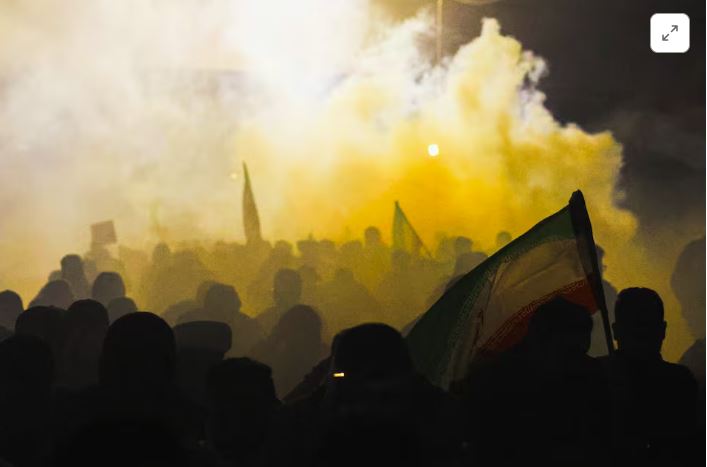
As Iran launched retaliatory strikes across the United Arab Emirates last Saturday, U.S. State Department officials were still working to finalize approvals to evacuate non-essential staff from several American embassies in the region.
According to sources familiar with the matter and internal State Department cables reviewed by Reuters, requests to authorize evacuations from U.S. missions in Bahrain, Kuwait and Qatar were not approved until hours after the United States and Israel began their military campaign against Iran. In some cases, approvals came only the following day.
Public announcements about the withdrawal of non-essential personnel from Gulf countries did not begin until Monday, three days after the conflict started. At the U.S. embassy in Riyadh, approval for the departure of non-essential staff was granted on Tuesday — the same day Iranian drones struck the compound, causing a fire that damaged embassy facilities.
The timing was considered unusual, as the United States typically begins evacuation planning well before launching major military operations. For example, during the 2003 invasion of Iraq, embassy staff and U.S. citizens in the region had weeks to prepare, with some evacuations starting more than a week before the operation began.
The military campaign against Iran — the largest U.S. operation in the Middle East since 2003 — has placed heavy pressure on officials managing the safety of American citizens in the region. Lawmakers, former diplomats and sources involved in the process said contingency plans were activated more slowly than usual for both diplomatic staff and thousands of Americans abroad.
State Department deputy spokesperson Tommy Pigott said hundreds of officials were working around the clock to assist Americans leaving the region.
“We are working 24/7 and have contingency plans ready to implement when needed, including the immediate activation of a task force,” Pigott said in a statement.
Sources said contingency planning before the conflict was handled by a small group of officials within the Trump administration, which contributed to communication gaps. In some cases, officials helping Americans return home learned about charter flight plans through social media posts from senior administration officials rather than formal government channels.
Similarly, an advisory urging Americans in 14 Middle Eastern countries to leave the region was first issued via a post on the social media platform X by Mora Namdar, the State Department’s top consular official. Because the message was drafted outside normal procedures, department staff later had to update official travel advisory systems used by businesses and citizens overseas.
The State Department said by Saturday it had completed more than a dozen charter flights and helped evacuate thousands of Americans from the Middle East, though it did not specify the exact locations.
One flight departing Dubai for Washington on Friday carried 182 embassy staff and family members along with 51 private U.S. citizens. According to internal communications reviewed by Reuters, it was only the second charter flight to leave the United Arab Emirates since the evacuations began.
When asked whether evacuation plans had been finalized before the war started, a State Department official told reporters that contingency plans are always in place to assist Americans abroad.
The department said it had assisted around 13,000 Americans who contacted officials seeking help to leave the region.
Some U.S. citizens in the Middle East said they felt they had not received sufficient warning. Doha-based novelist and filmmaker Mohana Rajakumar told Reuters she called the emergency hotline recommended by U.S. officials, only to hear a recorded message advising callers not to rely on government assistance for evacuation.
“Everyone is asking why we weren’t told to leave earlier if they knew this was coming,” Rajakumar said. Officials later said the recorded message had been updated.
TheDailyTourist © 2026 . All rights reserved.
 প্রিন্ট করুন
 সেভ করুন