

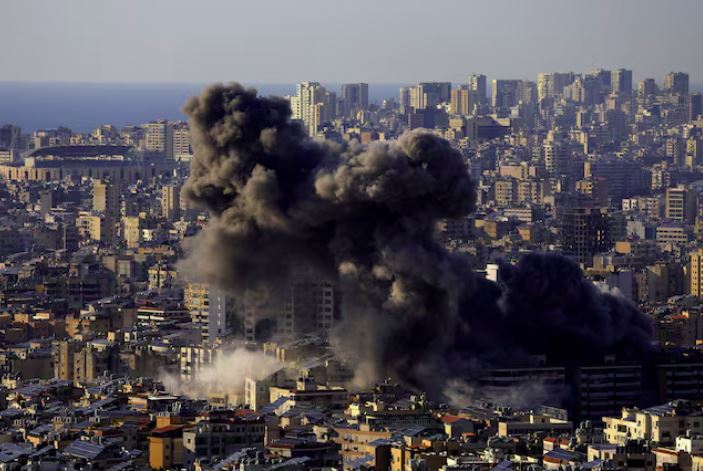

Emerging-market debt issuance, which began 2026 with record-breaking activity, has largely stalled as the Iran war fuels market volatility and drives up borrowing costs, leaving many nations in financial limbo.
The pause highlights the fragile position of emerging economies that, until recently, had seen booming demand for their bonds despite tariffs and geopolitical tensions. One notable exception has been Angola, an oil-exporting nation benefiting from higher crude prices, which successfully raised funds this month.
“All funding discussions are continuing, but with a cautious wait-and-see mode,” said Victor Mourad, Citi’s CEEMEA co-head of debt financing. He added that large, solid issuers still have market access, but at a premium.
In January and February, countries such as Saudi Arabia, Mexico, and Turkey issued debt at a record pace, with first-quarter sales reaching $117.5 billion—nearly $3 billion above the same period in 2025—even before Angola’s recent issuance, according to Stefan Weiler, JPMorgan’s head of CEEMEA debt capital markets.
While Angola’s credit spreads have compressed since the U.S. and Israeli strikes on Iran began on February 28, other emerging nations face widening spreads. Egypt and Turkey, highly sensitive to rising energy and food costs, have seen spreads increase sharply, while Saudi Arabia’s have also risen modestly. The JPMorgan EMBI spread for emerging-market dollar debt versus U.S. Treasuries widened 17 basis points to 268 bps since late February.
Investor caution is widespread due to the unpredictability of the conflict, including attacks on Gulf energy infrastructure and the closure of the Strait of Hormuz. Bank of America reported that investors withdrew $3.3 billion from emerging-market debt and over $5 billion from high-yield corporate bonds in the week ending March 19—the largest outflow since the U.S. tariff shock of April 2025.
In response to the uncertainty, some banks have reduced overweight positions in emerging markets while increasing exposure to commodities. “The only major shift we have done since the start of the war is increase commodities and reduce our overweight on emerging assets,” said Manish Kabra, multi-asset strategist at Societe Generale.
Despite the freeze in new issuances, secondary markets show signs of resilience. Highly rated Gulf sovereign debt remains in demand, suggesting potential for a rebound if the conflict eases. Mourad noted, “The fact that investors are buying the current valuations in secondary gives a signal that interest continues. The widening that we’ve seen is, for some, a good entry point.”
Analysts suggest that private placements or complex transactions like total return swaps could become more appealing for borrowers while market uncertainty persists, offering alternative avenues to raise funds amid volatile conditions.
Emerging-market debt, once on a historic growth path, now faces a period of caution as investors weigh geopolitical risks against attractive valuations.