

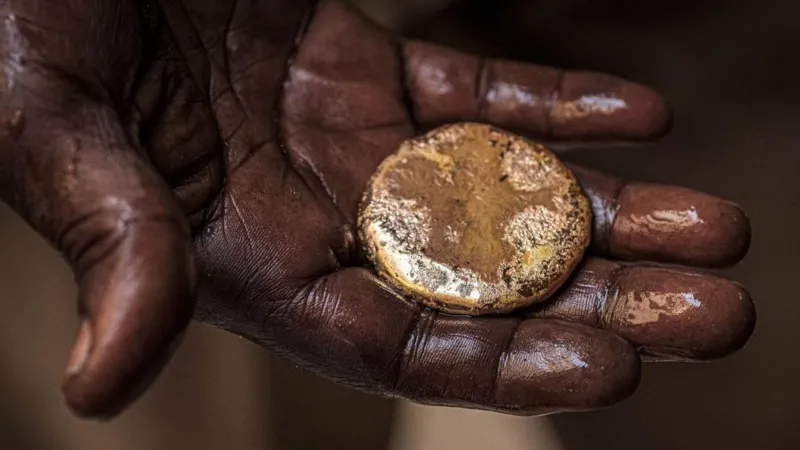

The European Union (EU) has imposed a ban on the purchase, import, and transfer of gold from Sudan, aiming to disrupt a major source of funding for the country’s ongoing civil war.
The conflict, which began in April 2023 between the Sudanese Armed Forces and the paramilitary Rapid Support Forces (RSF), has created one of the world’s worst humanitarian crises, displacing more than 14 million people.
Sudan, one of Africa’s leading gold producers, has seen its gold industry become a critical financial lifeline for both warring sides. According to UN experts, more than half—and possibly up to 70 percent—of the country’s gold is smuggled abroad each year.
Alongside the gold ban, EU foreign ministers also approved restrictions on the export of mercury and cyanide to Sudan, two chemicals widely used in gold mining. Exemptions will remain in place for humanitarian and public health purposes.
The RSF controls most of Sudan’s goldfields in Darfur and Kordofan, while the Sudanese army oversees production in the country’s northern and eastern regions. Much of the gold is reportedly trafficked through neighboring countries, including Egypt, Chad, and Libya, before reaching Dubai, a major global center for gold refining and trade.
In a statement, the EU Council said gold has become a key source of revenue sustaining the conflict and that the new measures are intended to reduce the financial resources available to those responsible for prolonging the violence.
Under the new sanctions, individuals and companies within the EU are prohibited from purchasing, importing, or transporting gold originating from Sudan.
The latest restrictions expand the EU’s existing sanctions regime targeting individuals and entities accused of fueling the conflict. However, analysts warn that the measures may have limited impact unless major international gold trading hubs and regional transit countries strengthen efforts to curb the illicit gold trade.
The move comes as humanitarian agencies estimate that more than 28 million people in Sudan are facing acute hunger, intensifying international calls for greater action to end the conflict.