

U.S. Federal Aviation Administration (FAA) Administrator Bryan Bedford has acknowledged the findings of the U.S. National Transportation Safety Board (NTSB), which determined that a series of systemic FAA failures contributed to a catastrophic mid-air collision that killed 67 people last year.
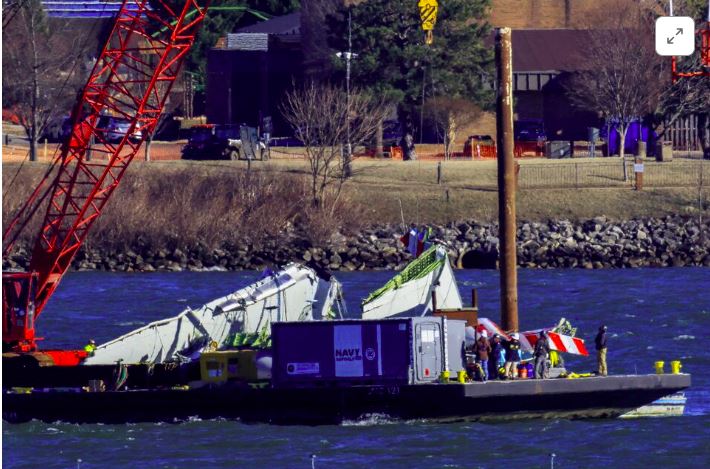
The January 2025 accident involved an American Airlines regional jet and an Army Black Hawk helicopter near Ronald Reagan Washington National Airport, marking the deadliest U.S. aviation disaster in over 20 years.
The NTSB concluded last week that the crash resulted from the FAA allowing helicopters to operate near the airport without proper safeguards to separate them from airplanes, and failing to act on data and prior recommendations to reroute helicopter traffic away from the airport.
“We don’t disagree with any of the NTSB’s conclusions. Many of the recommendations have already been implemented, and those that haven’t will be carefully evaluated,” Bedford told reporters at an aviation conference in Singapore.
Separately, Bedford declined to comment on whether the FAA might decertify Canadian-made aircraft following President Donald Trump’s threat last week, which aimed at pressuring Canada to approve certain U.S. private jet models from Gulfstream.
“Our concern is ensuring that U.S. products receive the same level of scrutiny and resources as foreign products. We want a level playing field,” Bedford said.
Canadian officials said they are working to resolve the dispute, after Trump’s threats to decertify and impose tariffs on Canada-made aircraft caused shares of business jet manufacturer Bombardier to drop 6% on Friday. Airline executives warned that decertifying planes for economic reasons could create a dangerous precedent and risk the global aviation system.
Bedford also noted that the FAA is still reviewing Boeing’s request to increase production of its 737 MAX aircraft from 42 to 47 planes per month.