

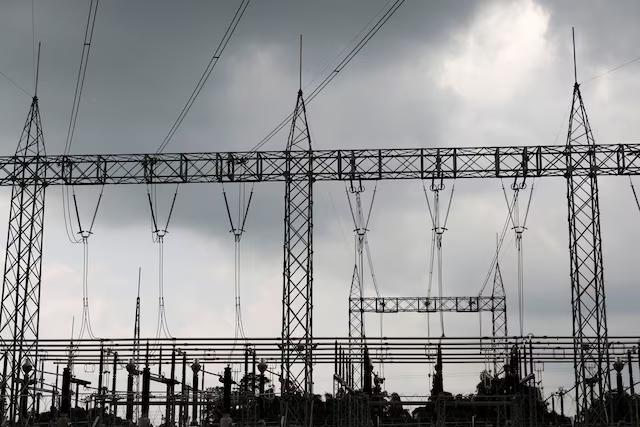

Electricity generation in Nigeria has dropped sharply as gas-fired power plants receive less than half of the fuel they require, worsening power shortages in Africa’s most populous nation, the grid operator reported.
The fuel shortfall stems from rising sector debt linked to government electricity subsidies, which operators say has climbed to 6 trillion naira ($4.4 billion). As a result, gas deliveries to power stations have fallen to about 43% of required volumes.
National power generation has declined to roughly 4,300 megawatts, forcing load shedding and reduced allocations to distribution companies in an effort to stabilize the grid, according to the Nigerian Independent System Operator.
Thermal plants require around 1,630 million standard cubic feet of gas daily, but actual supply as of February 23 was only 692 million cubic feet, the operator said. The shortfall has constrained electricity output and limited the amount of power distributed to consumers.
To address the financial crisis in the sector, the government previously approved a plan to refinance 4 trillion naira in industry debt—money owed mainly to power generators for unpaid invoices from 2015 to 2023. However, operators argue that total debt has since risen to 6 trillion naira, discouraging investment and worsening outages.
A first tranche of a 501 billion naira bond was issued in January to improve liquidity, but industry stakeholders say the measure has not been sufficient. Meanwhile, tariff reforms aimed at charging wealthier consumers higher rates have provided limited relief as many still experience erratic electricity, prompting some households and businesses to consider abandoning the national grid.
The continuing energy crisis highlights structural challenges in Nigeria’s power sector and underscores the need for long-term investment and policy solutions to stabilize electricity supply.