

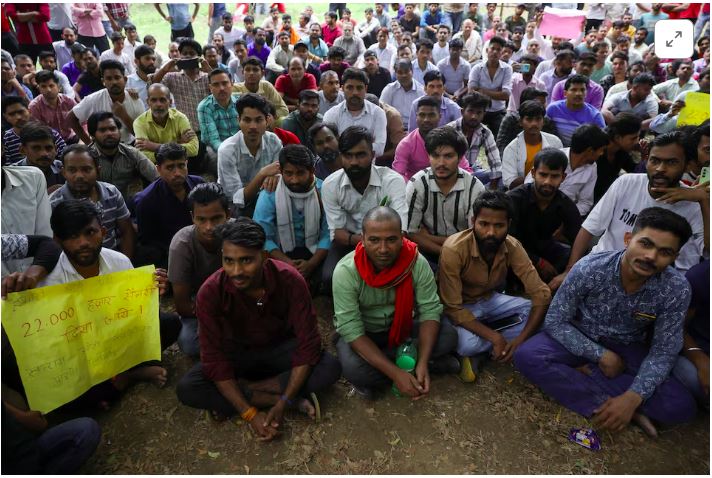

Authorities in Haryana have approved a 35% increase in the minimum wage for unskilled workers following days of protests and factory shutdowns driven by rising living costs linked to the ongoing Middle East conflict.
The state government announced on Friday that the monthly minimum wage will rise to about $165, up from roughly $120, effective April 1. The move comes after widespread worker unrest in Manesar, a major auto manufacturing hub located near New Delhi.
Clashes between police and factory workers erupted earlier this week as employees boycotted work, demanding higher wages to cope with surging food and fuel costs. Officials urged workers to resume duties peacefully following the announcement.
The protests have disrupted operations at several auto companies and suppliers, including Maruti Suzuki and parts manufacturers serving major automakers such as Hero MotoCorp.
India’s auto sector is now facing mounting pressure, as the wage hike adds to rising input costs and supply chain disruptions triggered by the war involving Iran. Automakers like Tata Motors and Mahindra & Mahindra have already increased vehicle prices, while others are expected to follow.
Workers say the situation has become increasingly difficult due to a surge in food prices, partly caused by disruptions in gas supplies. India, the world’s second-largest importer of liquefied petroleum gas (LPG), is facing one of its worst gas shortages in decades. The government has reduced industrial gas supplies to prioritize household consumption, further straining factory operations.
Many workers have reportedly returned to their home villages as living costs rise, while factories struggle to maintain production levels. Some employers are offering incentives such as free meals or small bonuses to retain labor.
Industry representatives warn that it could take weeks for supply chains to stabilize, even as diplomatic efforts continue to ease tensions in the Middle East. With an estimated 400 million migrant workers forming the backbone of India’s industrial workforce, the ongoing disruption highlights the sector’s vulnerability to global shocks.
Business groups have called for urgent government support measures, including shared food facilities and emergency assistance, to prevent further labor shortages and sustain industrial output.