


Australia has confirmed its first case of the highly pathogenic H5N1 bird flu strain, marking a significant development as the virus has now been detected on every continent around the world.
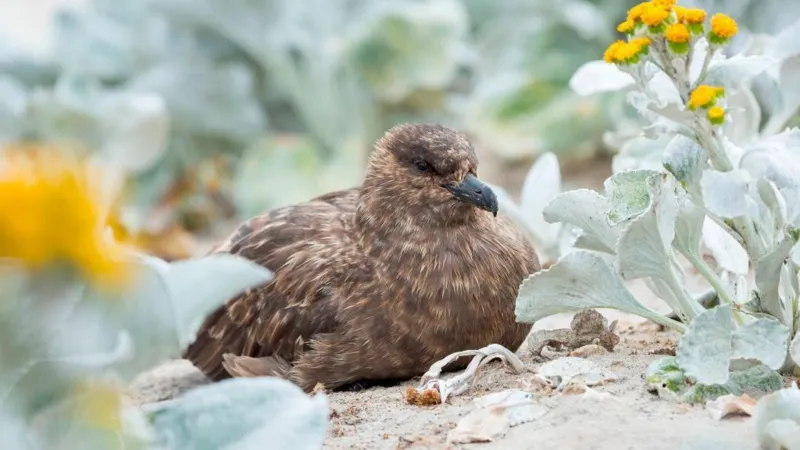
Australian Agriculture Minister Julie Collins announced on Saturday that the virus was found in a migratory seabird, a brown skua, discovered in the remote region of Western Australia. The infected bird was located on a beach in Cape Le Grand National Park near Esperance, approximately 700 kilometers southeast of Perth.
The confirmation ends Australia’s status as the last continent free from the H5N1 strain, which has caused widespread outbreaks among wild birds and poultry populations globally.
“We all knew we couldn’t be bird flu-free forever,” Collins said during a press conference, acknowledging the long-anticipated arrival of the virus on the Australian mainland.
Authorities are also investigating a second suspected case involving a southern petrel found exhausted on a beach near Esperance. However, officials emphasized that there is currently no evidence of large-scale bird deaths linked to the outbreak.
Threatened Species Commissioner Fiona Fraser said further testing is underway and authorities expect to determine within days whether the virus has spread to other animal populations across Australia.
Chief Veterinary Officer Beth Cookson stated that Australia has been preparing for such an event for years and that emergency animal disease response teams have already been mobilized to monitor and contain any potential spread.
The H5N1 strain was previously detected in Australia’s remote Heard and McDonald Islands in October last year. A recent scientific study found that the virus had devastating consequences for local wildlife, killing an estimated 13,000 seal pups from a population of 17,000 on Heard Island since August 2024. Researchers also reported unusually high mortality rates among penguin colonies in the region.
Scientists believe migratory birds carried the virus to the islands from the French-controlled Crozet Islands, located about 1,800 kilometers away in the southern Indian Ocean.
H5N1, a highly contagious form of avian influenza, primarily affects birds but can also infect mammals such as seals, foxes, and otters. Human infections remain rare and are typically linked to direct contact with infected animals.
The virus first emerged in China in the late 1990s and has since spread across the globe through migratory bird routes, triggering outbreaks in both wild and domestic bird populations. Health experts continue to monitor the situation closely, although the risk to the general public remains low.
The confirmation of H5N1 in Australia highlights the growing global challenge posed by wildlife diseases and underscores the importance of international surveillance and biosecurity measures to protect animal and public health.