

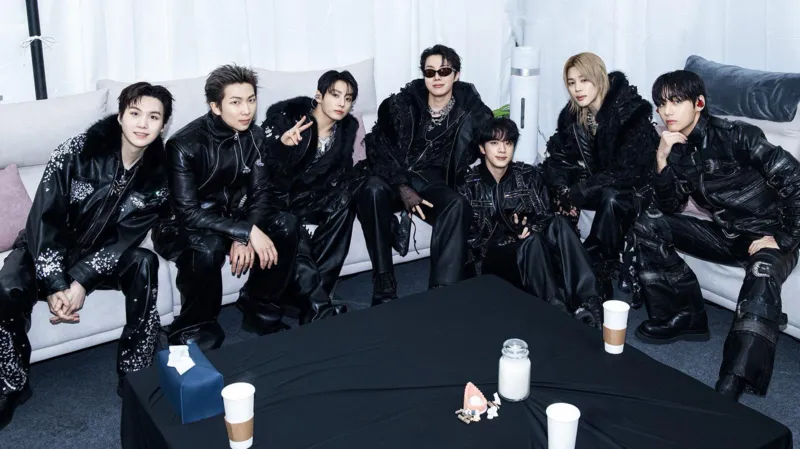

The highly anticipated return of global K-pop sensation BTS has sparked an unprecedented ticket-buying frenzy across Southeast Asia, but for thousands of fans, the excitement has turned into heartbreak as scammers exploit overwhelming demand for concert tickets.
Fans of the seven-member group, known collectively as the ARMY, have reported losing more than $100,000 to fraudulent ticket sellers and fake booking services since sales began for BTS’s massive Arirang World Tour, which will run through 2027 and cover 34 cities worldwide.
Among the victims is Vevee, a 26-year-old fan from Jakarta, who spent hours trying to secure tickets through official channels before turning to a reseller on social media platform X. After paying $1,200 for four VIP tickets, the seller disappeared.
“Right after I sent the money, they stopped responding. I was heartbroken,” she said.
Authorities across the region are reporting a surge in concert-related fraud. In Singapore, police have received at least 62 complaints involving BTS tickets, with losses exceeding S$68,000. In Malaysia, police are investigating dozens of reports from fans who claim they were cheated while attempting to purchase tickets online.
Meanwhile, in Thailand, a group of 126 victims has filed complaints after allegedly being scammed by an individual who promised to secure tickets on their behalf. Many transferred hundreds of dollars before the account vanished on the day tickets went on sale.
The demand for BTS tickets has been extraordinary. Industry sources estimate that the number of fans competing for tickets in Asia exceeds available seats by as much as 15 times. Organizers have continued adding extra concert dates in cities such as Jakarta and Bulacan in the Philippines to accommodate demand.
BTS’s comeback tour marks the group’s first major concert series following a three-year hiatus and is expected to generate nearly $2 billion in revenue through ticket sales, merchandise, streaming, licensing and album sales.
The band’s immense popularity has created fierce competition among fans. Some supporters have reportedly rented high-speed computers at internet cafés and even hired premium smartphones to improve their chances of purchasing tickets during online sales.
“It’s a war on every front,” Vevee said. “We’re not only fighting for tickets—we’re fighting for the best internet connection and every possible advantage.”
Online scammers have capitalized on this desperation by infiltrating fan communities and offering fake VIP packages, discounted tickets and exclusive access. In many cases, fraudsters provide convincing documents and social media profiles before disappearing once payment is received.
Consumer advocates and fans are urging ticketing companies and concert promoters to strengthen anti-fraud measures. Ticketmaster, which manages ticket sales for many BTS shows, says it has introduced enhanced verification systems, stricter resale policies and artificial intelligence tools to combat bots and scalpers.
Officials continue to advise fans to purchase tickets only through authorized platforms and avoid unofficial sellers, regardless of how convincing they appear.
Despite the setbacks, many fans remain determined to attend the concerts. For supporters who have followed BTS since their debut in 2013, the comeback tour represents a once-in-a-generation opportunity to see the group perform together again.
“I still want to go,” said one fan who lost hundreds of dollars in a scam. “I don’t know when I’ll get another chance to see them.”
As ticket demand remains at record levels, authorities warn that scammers are likely to continue targeting hopeful fans throughout the tour, making vigilance more important than ever.