

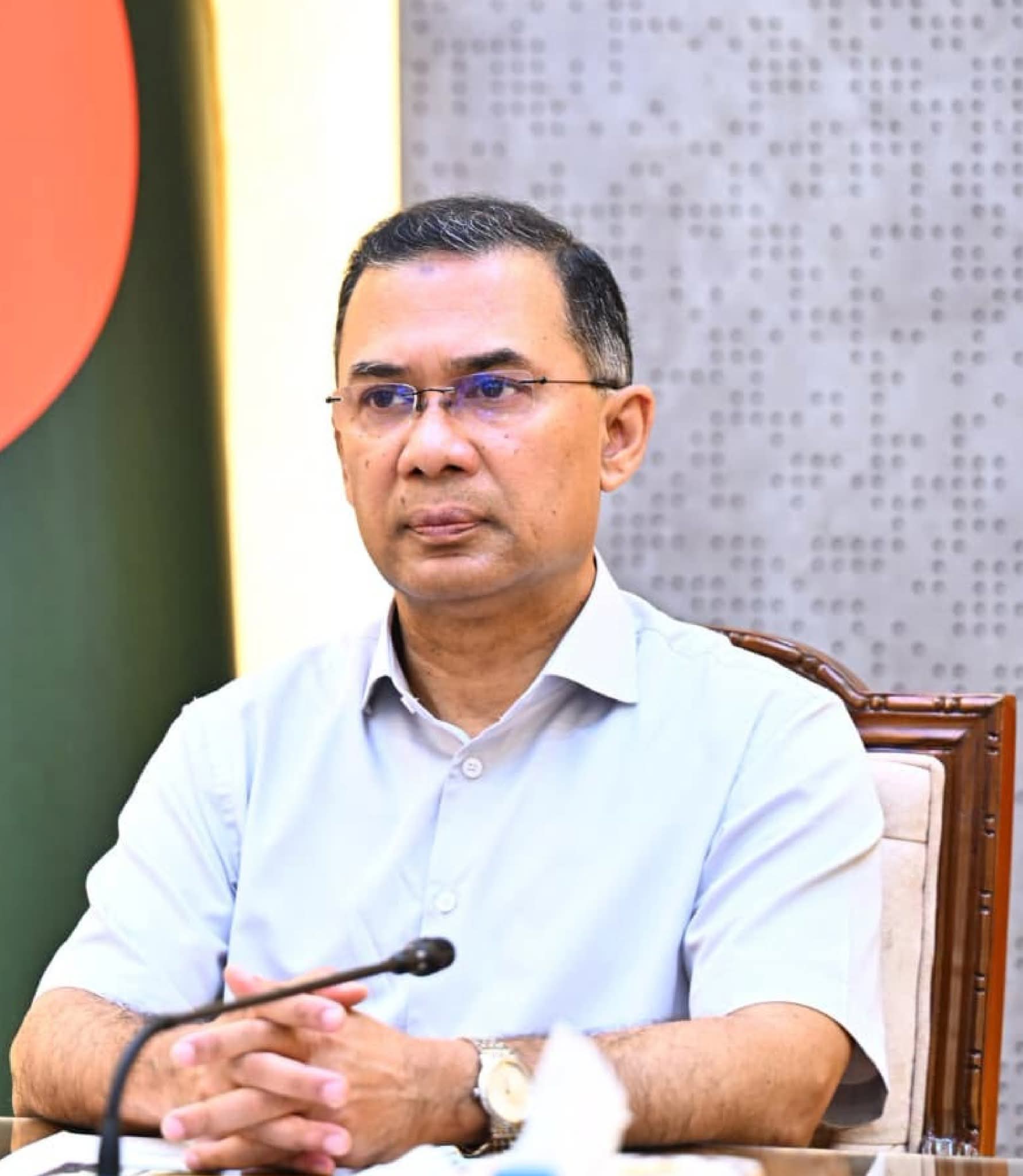

-Md. Kamal Uddin: There was a time when any government event meant having a large picture of the Prime Minister in the middle of the banner, with pictures of ministers, MPs and local leaders on the sides. If that picture was not there somewhere, then various questions, dissatisfaction, and even clashes would have started. I have seen such incidents with my own eyes – just because there was no picture of the Prime Minister, tension was created at the event venue, there were scuffles, and some public representatives boycotted the event in anger. It is as if a picture had become bigger than the success of a state, a development project or a public welfare initiative. Today, times have changed. Today, the Prime Minister of the country himself has said – his picture will not be used in banners, festoons, billboards or government campaigns of government events. Although this decision is undoubtedly an administrative order, its significance is very deep. This is the beginning of a new political culture, where there is a message of giving more importance to institutions than individuals, work than propaganda, and service to the people than personality worship. Real leadership never grows with its own picture; real leadership grows by making a place in the hearts of people. A true statesman knows that the love of the people does not hang on a banner, but lives in the faith of the people. A huge picture on a billboard can attract people temporarily, but it is the real change in people’s lives that makes a leader immortal in history. The most beautiful form of power is revealed when power does not make itself the center of propaganda but focuses on the people. Every project of the state is run with the money of the people. Therefore, the main identity of that project should be the service of the state, not the portrait of any person. People pay taxes for development, not to hang pictures.
Change does not always bring the slogan of revolution. Sometimes a small decision changes a culture that has been passed down for generations. This directive also carries a message of such change. It will teach the future generation—the state is not an individual-dependent system; the state is an institution, a constitution, a collective commitment of a people. In a civilized democratic society, the identity of a leader is not his image, but his actions. The true identity of a leader is hidden in a bridge, a school, a hospital, a safe road, the smile on the face of a farmer, the opportunity for education for a student, or standing by the side of a helpless person. If we really want to build a developed state, then we also need a change in mentality. Instead of being preoccupied with who put up how big a picture, whose picture was hung how high—we should ask ourselves how much work was done, how much people’s lives changed, how much corruption decreased, how much the quality of service increased. History is a witness—the great leaders of the world are remembered not for their portraits, but for their actions. Billboards are not needed to occupy a place in people’s hearts; What is needed is leadership dedicated to honesty, foresight, justice and public welfare. If today’s decision is followed sincerely in reality, it will not be just an administrative change; it will be the beginning of a new chapter in political culture. Where the status of institutions will increase instead of personality worship, service will be valued instead of propaganda, and future generations will learn that the greatest identity of a leader is not his picture, but his actions. Because the life span of a picture may be a few years, but the work done for the welfare of the people lives on in the pages of history for centuries. And the greatest portrait of a true statesman is not on a banner—it is engraved in the hearts of the people.