
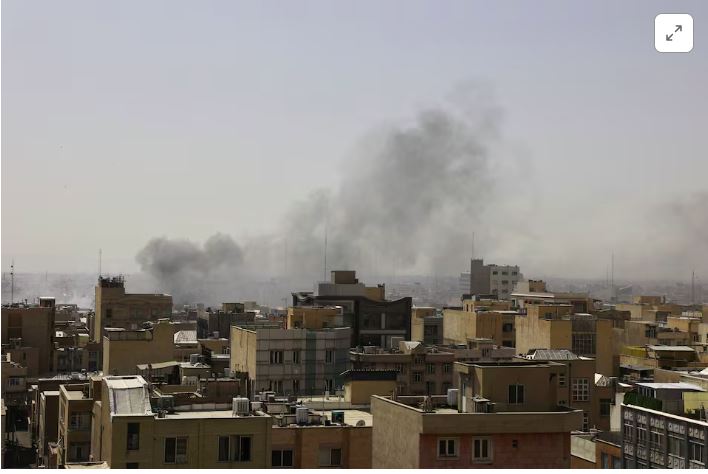


The United States and Israel launched coordinated military strikes on Iran on Saturday, escalating regional tensions and triggering a new conflict. The operation, which the U.S. military named “OPERATION EPIC FURY,” was described by President Donald Trump as an effort to neutralize security threats and potentially encourage political change within Iran.
Iran’s military reported firing missiles toward Israel in response, further intensifying hostilities. The renewed confrontation threatens to undermine hopes for a diplomatic resolution of Tehran’s nuclear dispute with Western powers.
In a social media video message, Trump referenced longstanding U.S.-Iran tensions, including the 1979 hostage crisis when American diplomats were held captive in Tehran for 444 days. He urged Iranian citizens to take shelter, warning of widespread bombardments, but also suggested that the upheaval could present an opportunity for political transformation in Iran.
U.S. officials stated that air and sea operations against Iranian targets were underway and expected to continue for multiple days, though the full scope of the campaign remains unclear. Iranian authorities signaled readiness for retaliation, warning of severe consequences.
Israel’s leadership, including Prime Minister Benjamin Netanyahu, framed the joint operation as a measure to eliminate threats and empower the Iranian population to challenge their government. Meanwhile, reports indicated that Iran’s supreme leader, Ayatollah Ali Khamenei, had been moved to a secure location.
The strikes occurred after years of escalating disputes over Iran’s nuclear and ballistic missile programs, which Western governments argue pose regional and global security risks. Tehran insists its nuclear ambitions are peaceful and rejects demands to dismantle missile capabilities.
Diplomatic prospects now appear increasingly uncertain as military confrontation deepens, raising concerns about broader instability in the Middle East.